Eating by season, and using what you don't recognise
Across most of Canada the growing year moves from tender greens to heat-loving fruit to dense storage crops. A box follows that arc. Knowing roughly what is coming — and having a default plan for the unfamiliar item — turns a surprise into dinner.

Exact timing depends on your region — a box in coastal British Columbia and one on the Prairies will not line up week for week. Treat the seasons below as a general shape rather than a calendar.
Spring
Early boxes lean leafy and quick-cooking: lettuces, spinach, radishes, green onions, the first herbs, and sometimes asparagus or rhubarb. These items are tender and do not store long, so the simplest plan is to eat them within a few days.
- Default move: a large salad plus one quick sauté of the heartier greens.
- Storage: wash and dry leaves, then keep them loosely wrapped in the fridge.
Summer
This is the abundant stretch — tomatoes, zucchini, cucumbers, peppers, beans, sweet corn, and a steady flow of herbs. The challenge shifts from "what is this" to "how do I keep up." Volume is the issue, not novelty.
When a glut arrives, cook once and eat twice. A tray of roasted summer vegetables becomes a side, then a pasta, then a frittata. Tomatoes past their prime go into a quick sauce for the freezer rather than the bin.
Fall
As nights cool, boxes turn toward roots, brassicas, and storage crops: carrots, beets, leeks, cabbage, cauliflower, and the first winter squash. Many of these keep for weeks, which eases the weekly pressure.

Winter
Where farms run a winter share, expect storage roots, hardy greens like kale and chard, alliums, and cured squash. Cold storage and root cellaring are the reasons these crops can fill a box long after the field is bare.
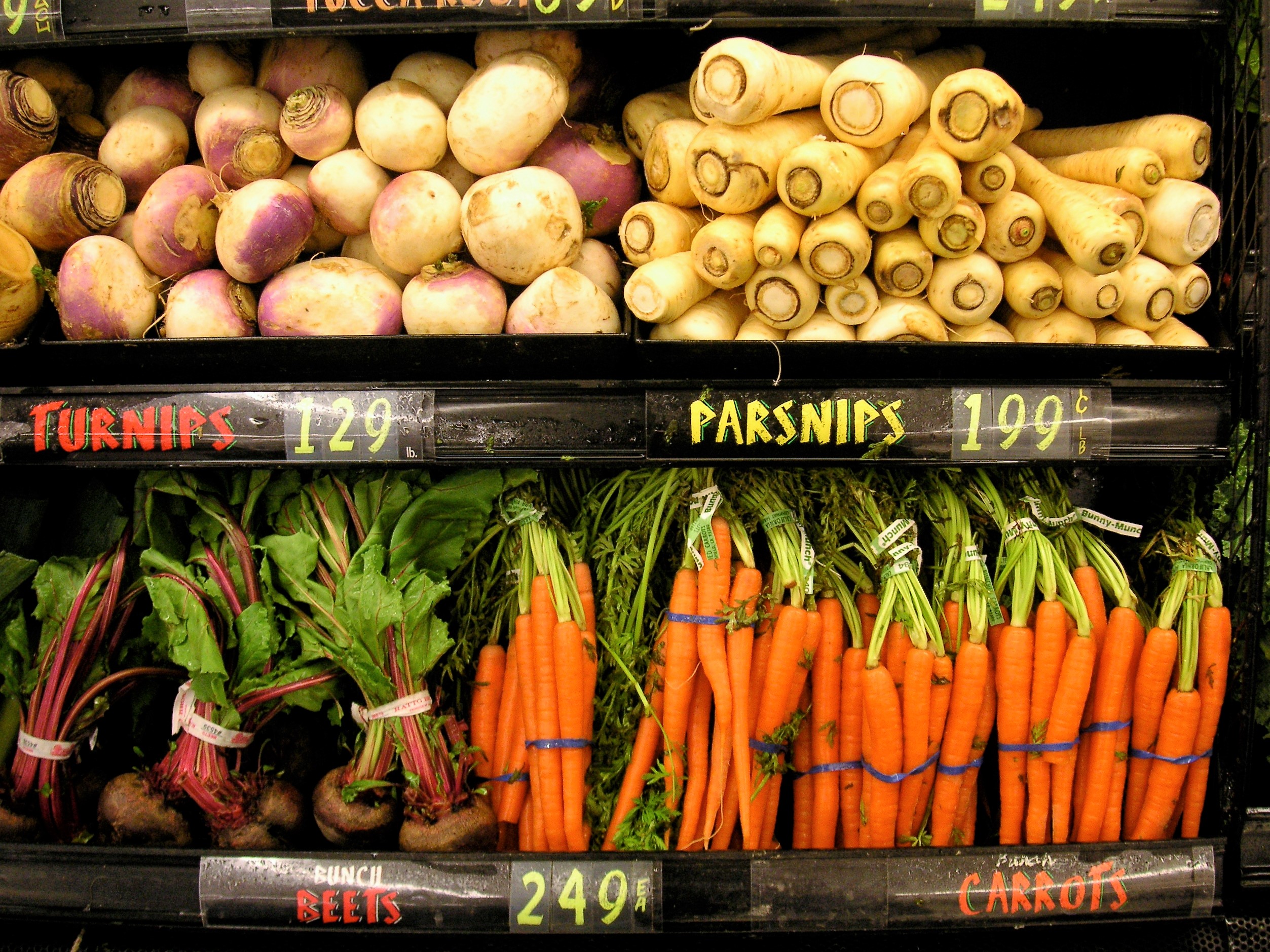
The unfamiliar items, and what to do with them
Most "what is this?" moments come from a short list of vegetables that rarely reach a standard grocery cart. None require special skill — only a default approach.
| Item | Tastes like | Easiest first use |
|---|---|---|
| Kohlrabi | Mild, crisp, broccoli-stem | Peel and slice raw into a slaw, or roast in wedges. |
| Celeriac | Earthy celery | Cube and add to a root mash or a soup. |
| Garlic scapes | Gentle garlic | Chop into a stir-fry, or blend into a pesto. |
| Kale / chard | Hearty greens | Strip from stems, then sauté with oil and salt. |
| Winter squash | Sweet, nutty | Halve, scoop seeds, and roast cut-side down. |
A note on storage
Roughly speaking, leaves want cool and slightly humid; roots want cool and dark; tomatoes and squash prefer room temperature away from direct sun. Sorting a box into those three homes as soon as it arrives is the single habit that reduces waste most.
Where to read more
Keep reading